Foraging spot
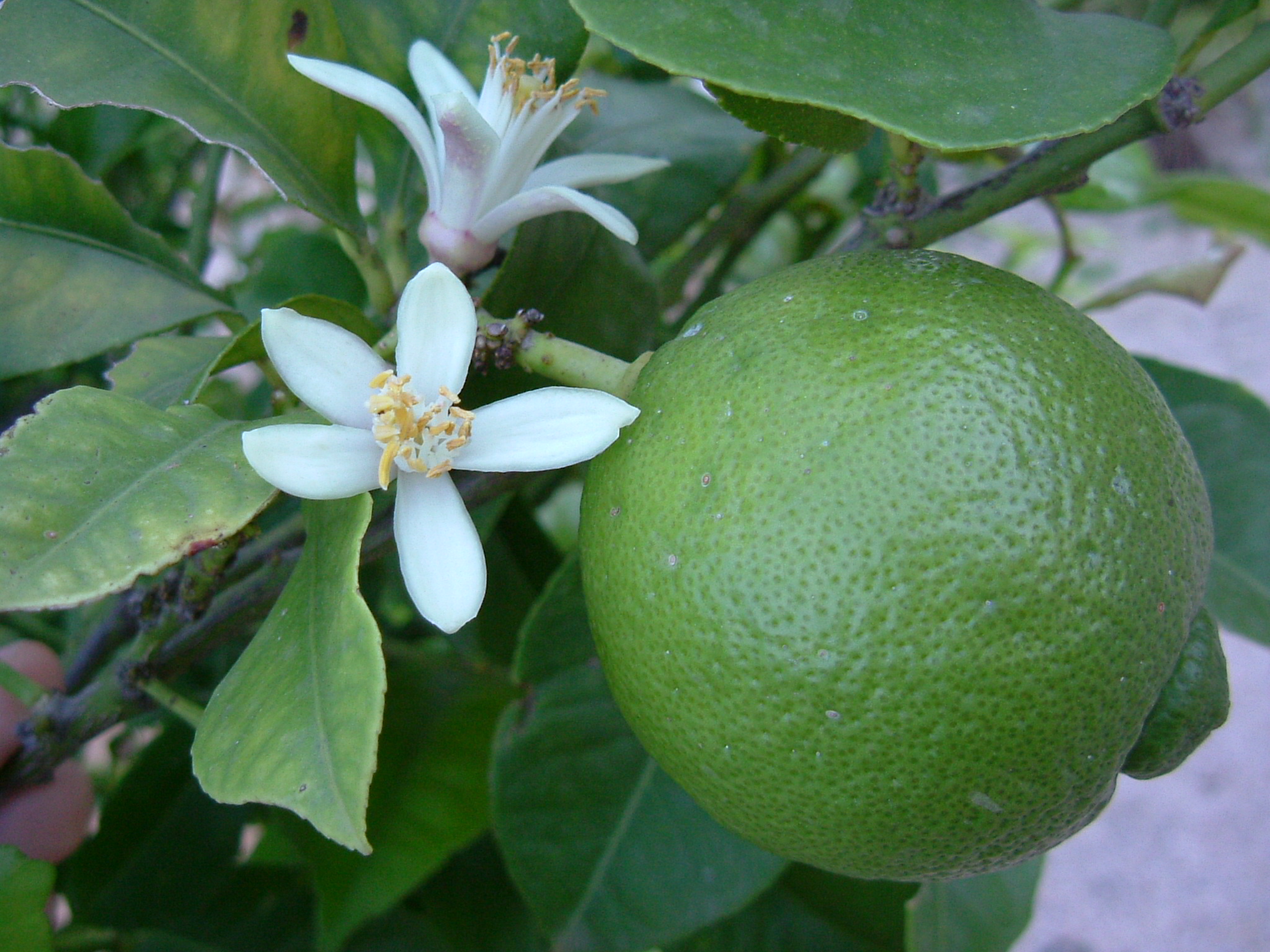
Lime tree
Backyard limes, peak late summer/fall.
Coordinates: 37.864990, -122.266190
What to do with it
- Squeeze over tacos, fish and fruit
- Zest into desserts
- Limeade or a fresh marinade
Ways to keep it
- Salt-preserved limes
- Lime cordial or syrup
- Freeze the juice
About Lime
A lime is the fruit of several species of citrus, most of which are hybrids within the genus Citrus (family Rutaceae). Limes are generally small, round to oval fruits with green flesh and skin and a distinctly sour taste due to their high citric acid content. They are widely cultivated in tropical and subtropical regions for culinary, medicinal, and ornamental purposes. The term "lime" is used for a variety of citrus fruits, including the Key lime (Citrus × aurantiifolia), Persian lime (Citrus × latifolia), Kaffir lime (Citrus hystrix), finger lime (Citrus australasica), blood lime (hybrid), and desert lime among others. Limes are a rich source of vitamin C and are used to accent the flavours of foods and beverages. In 2023, world production of limes (combined with lemons) was 23.6 million tonnes, led by India and Mexico.
From Wikipedia.
Tree and plant locations come from Falling Fruit, a volunteer-run map of the urban harvest, used under CC BY-NC-SA 4.0. This project is non-commercial. Locations are crowd-sourced and provided as-is — always confirm a plant's identity and that you're welcome to pick before foraging.
Photos and descriptions from Wikipedia / Wikimedia Commons. Maps © OpenStreetMap contributors. Not affiliated with Falling Fruit, Wikimedia, or OpenStreetMap.