Foraging spot
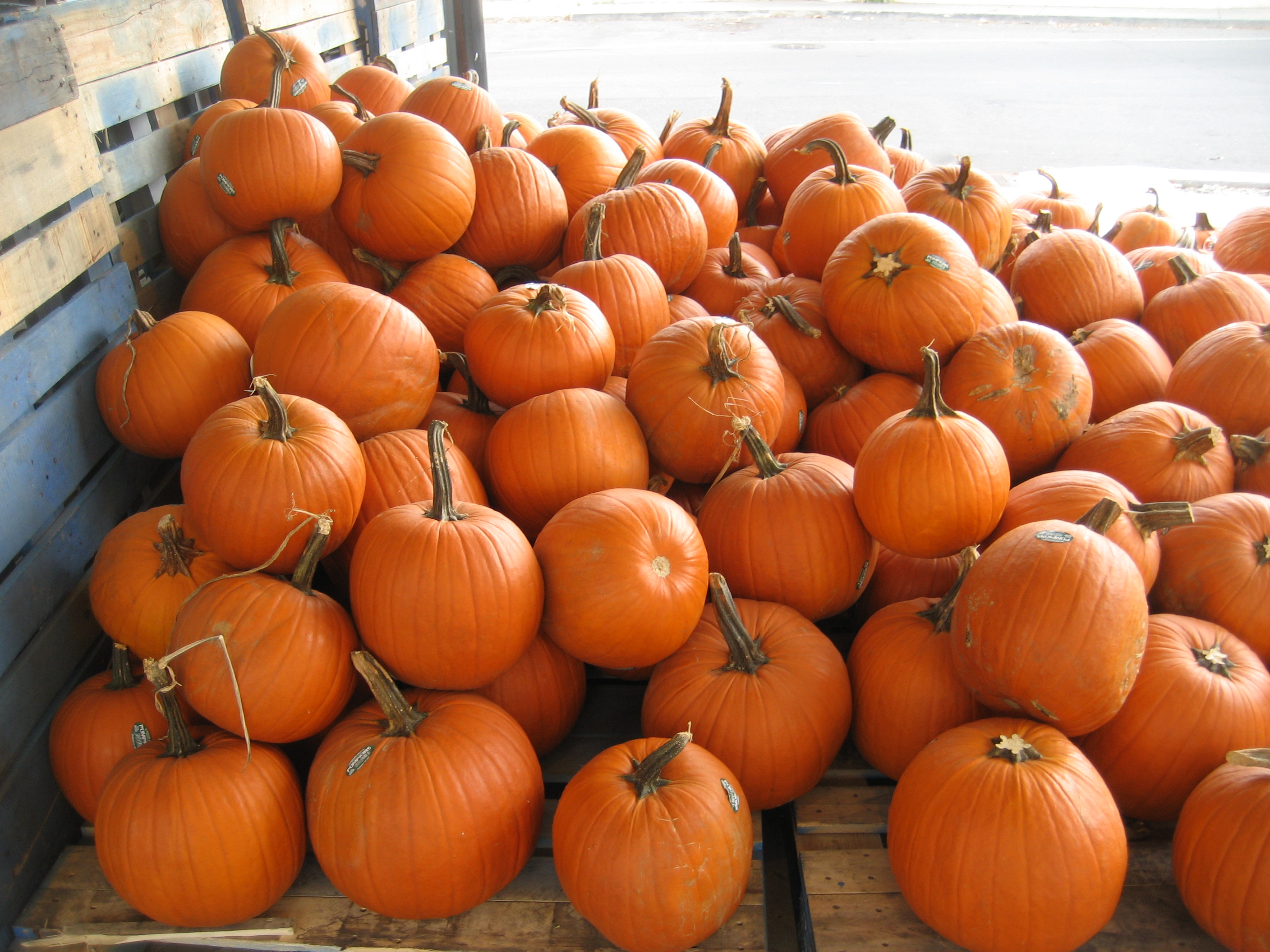
Pumpkin tree
Fall garden volunteer.
Coordinates: 37.859982, -122.263390
Walk here → More about Pumpkin
What to do with it
- Roast the flesh
- Soups and pies
- Toast the seeds
Ways to keep it
- Lacto-ferment cubes
- Pickle (vinegar)
- Freeze the puree
- Keeps whole for months
About Pumpkin
A pumpkin is a cultivated winter squash in the genus Cucurbita. The term is most commonly applied to round, orange-colored squash varieties, but does not possess a scientific definition. It may be used in reference to many different squashes of varied appearance and belonging to multiple species in the Cucurbita genus. "Pumpkin" is sometimes used interchangeably with "squash" or "winter squash", and is commonly used for some cultivars of Cucurbita argyrosperma, Cucurbita ficifolia, Cucurbita maxima, Cucurbita moschata, and Cucurbita pepo. C. pepo pumpkins are among the oldest known domesticated plants, with evidence of their cultivation dating to between 7000 BCE and 5500 BCE in Mesoamerica. Wild species of Cucurbita and the earliest domesticated species are native to North America (parts of present-day northeastern Mexico and the southern United States), but cultivars are now grown globally for culinary, decorative, and other culturally-specific purposes. The pumpkin's thick shell encases edible seeds and pulp. Pumpkin pie is a traditional part of Thanksgiving meals in Canada and the United States and pumpkins are frequently used as autumnal seasonal decorations and carved as jack-o'-lanterns for decoration around Halloween. Commercially canned pumpkin purée and pie fillings are usually made of different pumpkin varieties from those intended for decorative use.
From Wikipedia.
Tree and plant locations come from Falling Fruit, a volunteer-run map of the urban harvest, used under CC BY-NC-SA 4.0. This project is non-commercial. Locations are crowd-sourced and provided as-is — always confirm a plant's identity and that you're welcome to pick before foraging.
Photos and descriptions from Wikipedia / Wikimedia Commons. Maps © OpenStreetMap contributors. Not affiliated with Falling Fruit, Wikimedia, or OpenStreetMap.